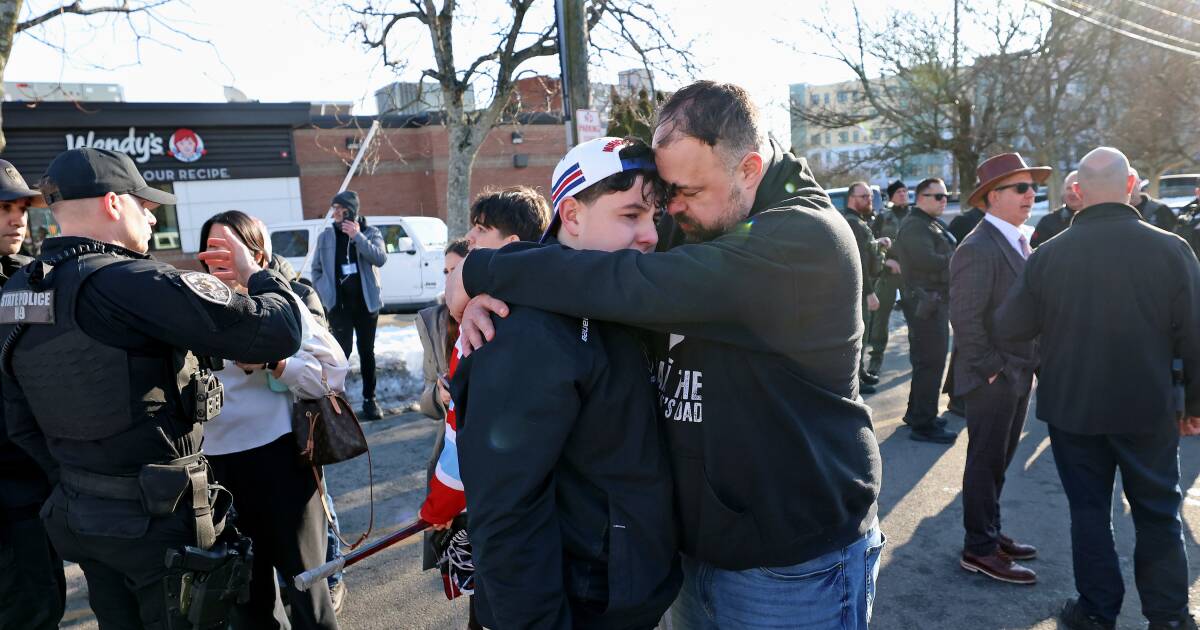
Tragedy Strikes Youth Hockey: Rhode Island Rink Shooting Aftermath
The echoes of a recent tragedy reverberate through the tight-knit world of youth sports, reminding us of the fragility of peace and safety in spaces once considered sacrosanct. A shocking incident, referred to by many as the
Rhode Island Ice Rink Shooting, has left a profound scar on a community and the broader ice hockey family. This devastating event, occurring during a youth hockey event, saw two lives tragically lost and three others injured, some of whom are still
Rhode Island Rink Shooting: Survivors Fighting for Their Lives. The term "Ice Hockey Shooting" in this context refers not to a sporting maneuver, but to the horrific act of gun violence that shattered a seemingly ordinary day, transforming a venue of athletic pursuit into a scene of unimaginable grief and trauma.
The incident underscores a chilling reality: violence can intrude upon any public gathering, even those dedicated to fostering community and athletic development among children. As communities grapple with the immediate aftermath, there is a collective need to understand the wider implications, provide unwavering support for those affected, and proactively consider measures to prevent such horrors from recurring. This article delves into the emotional, social, and practical considerations that arise in the wake of such a devastating event, offering a perspective on how communities can heal, unite, and strive for greater security.
The Immediate Aftermath: Grief, Shock, and Unanswered Questions
The moments immediately following an event like the Rhode Island rink shooting are often characterized by chaos, fear, and an overwhelming sense of disbelief. For the families of the victims, the world is irrevocably altered. The loss of life, particularly in such a public and violent manner, leaves an indelible void, and for those battling injuries, the journey to recovery is often long and arduous, encompassing both physical and psychological dimensions.
*
Community Mourning: Across Rhode Island and beyond, youth sports organizations, schools, and local businesses have likely united in expressions of sorrow and solidarity. Vigils, memorial funds, and support groups often emerge rapidly, providing avenues for collective grief and practical assistance to the affected families. The shared love for ice hockey, typically a source of joy and camaraderie, now becomes a painful reminder of what was lost.
*
Trauma for Witnesses: Beyond those directly harmed, countless individuals—children, parents, coaches, and rink staff—were witnesses to or present during the incident. The psychological trauma for these individuals can be profound and long-lasting. Flashbacks, anxiety, difficulty concentrating, and fear of similar situations are common reactions, necessitating immediate and ongoing mental health support.
*
Investigation and Information: In the wake of such an event, law enforcement agencies work tirelessly to piece together what happened, identify motives, and bring those responsible to justice. While crucial for accountability, the investigative process can be slow and emotionally taxing for a community hungry for answers and closure.
The shocking nature of an "Ice Hockey Shooting" incident at a youth venue shakes the fundamental sense of security that parents and children expect in their recreational spaces. It forces a critical re-evaluation of safety protocols and community vigilance.
Psychological Impact and Long-Term Healing
The scars left by a traumatic event extend far beyond the physical. The psychological toll on survivors, witnesses, and the wider community can manifest in various ways, often requiring sustained support and understanding.
*
For Children and Adolescents: Youth athletes, who spend significant time in these environments, may struggle with feelings of betrayal, anger, and fear. Their sense of safety, which is paramount for healthy development, can be severely compromised. It is vital for parents, educators, and mental health professionals to:
* Create safe spaces for open discussion.
* Monitor for signs of distress (changes in behavior, sleep, appetite, school performance).
* Reassure them of ongoing safety efforts without dismissing their fears.
* Encourage continued participation in activities, if they feel ready, to help reclaim normalcy, but never force it.
*
For Adults: Parents, coaches, and other adults present may experience survivor's guilt, intense anxiety, or symptoms consistent with Post-Traumatic Stress Disorder (PTSD). Supporting these individuals means:
* Facilitating access to counseling and therapy services.
* Encouraging peer support groups.
* Acknowledging and validating their experiences without judgment.
*
Community-Wide Trauma: The entire community feels the ripple effect. A collective sense of loss and vulnerability can settle in, challenging social cohesion. Community healing requires:
* Open dialogues about violence and safety.
* Reinforcing communal bonds through shared activities and mutual support.
* Empowering residents to participate in local safety initiatives.
Understanding the long-term journey of healing is crucial. It’s not about forgetting the "Ice Hockey Shooting" incident, but about processing the trauma, building resilience, and fostering a renewed sense of security and hope for the future.
Enhancing Safety and Security at Youth Sports Venues
While it is impossible to eliminate all risks, communities can and should take proactive steps to enhance security at public venues, particularly those frequented by children. The Rhode Island rink shooting serves as a stark reminder of this imperative.
*
Comprehensive Security Assessments: Rinks, gymnasiums, and other sports facilities should undergo regular, thorough security assessments. This includes evaluating entry points, emergency exits, surveillance systems, lighting, and communication protocols.
*
Trained Staff and Emergency Plans: All staff, including coaches, volunteers, and facility management, should receive training on emergency procedures, including active shooter protocols, first aid, and communication strategies during a crisis. Regularly practiced drills are essential to ensure a coordinated and effective response.
*
Enhanced Access Control: While maintaining an inviting atmosphere is important, stricter access control measures can be implemented. This might include:
* Designated entry and exit points.
* Security personnel during high-attendance events.
* Bag checks or metal detectors, if deemed appropriate and feasible for the specific venue and community context.
*
Community Vigilance and Reporting: Empowering patrons to "see something, say something" is critical. Clear channels for reporting suspicious behavior or individuals should be established and promoted. An aware and engaged community is often the first line of defense.
*
Collaboration with Law Enforcement: Sports organizations and facility operators should forge strong relationships with local law enforcement. Regular consultations can help identify potential threats, refine security plans, and ensure rapid response capabilities.
*
Mental Health and Conflict Resolution: Addressing the root causes of violence, including mental health crises and unresolved conflicts, is a long-term preventative strategy. Programs that promote emotional literacy, conflict resolution skills, and access to mental health services can contribute to safer communities overall.
Implementing these measures requires investment, dedication, and a collaborative spirit among facility operators, sports organizations, law enforcement, and the wider community. The goal is to restore confidence and ensure that places meant for healthy competition and growth remain safe havens.
Reclaiming the Spirit of Youth Hockey
Youth sports, and ice hockey in particular, are about more than just competition; they are about teamwork, discipline, physical activity, and building character. A tragedy like the "Ice Hockey Shooting" in Rhode Island challenges the very essence of these values. Reclaiming that spirit means intentionally fostering environments of positivity, support, and resilience.
*
Focus on Well-being: Prioritize the emotional and psychological well-being of young athletes over purely competitive outcomes. Coaches and parents should emphasize sportsmanship, mutual respect, and the joy of participation.
*
Community Rebuilding Initiatives: Organize events that bring the hockey community together outside of competitive games. These could include charity events, team-building activities, or simply social gatherings designed to reinforce bonds and rebuild trust.
*
Empowering Youth Voices: Encourage young players to share their thoughts and feelings about the incident and participate in discussions about how to make their sports environments safer and more supportive. Their perspectives are invaluable in the healing and rebuilding process.
*
Celebrating Resilience: Acknowledge and celebrate the resilience shown by individuals and the community in the face of adversity. Highlighting acts of kindness, bravery, and perseverance can provide a powerful counter-narrative to the initial tragedy.
By actively working to restore a sense of normalcy and joy, the youth hockey community can demonstrate that while a horrific "Ice Hockey Shooting" can inflict deep wounds, it cannot extinguish the spirit of the game or the bonds it creates.
Conclusion
The Rhode Island rink shooting is a somber reminder that vigilance and compassion are ever-necessary in our communities. The lives lost and the lives forever altered by this "Ice Hockey Shooting" underscore the urgent need for robust safety measures, comprehensive mental health support, and an unwavering commitment to fostering environments where children can play, learn, and grow without fear. While the path to full healing is long, by coming together—through shared grief, mutual support, and determined action—communities can begin to mend, strengthen their resolve, and ensure that the values of sport and camaraderie ultimately triumph over tragedy. The collective hope is that lessons learned from such devastating events lead to tangible changes, ensuring that the joyous sounds of skates on ice and the cheers of young athletes are never again overshadowed by violence.