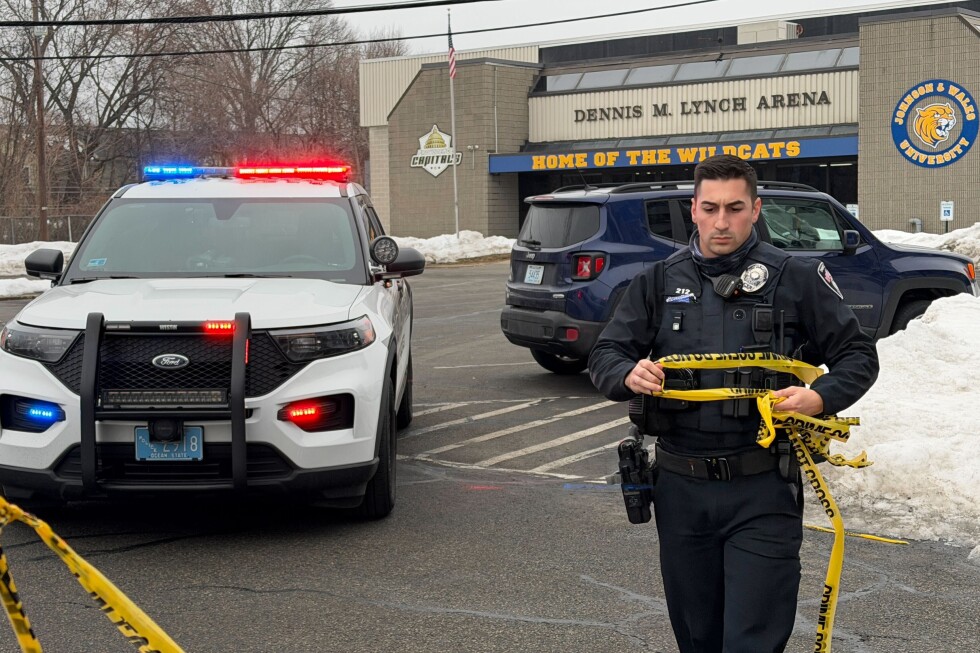
The quiet hum of an ice rink, usually filled with the sounds of skates on ice, pucks hitting boards, and cheering fans, was shattered by an unthinkable act of violence. A recent shooting incident at a Rhode Island ice rink has left a community reeling, with two lives tragically lost and several others battling for survival. This horrific event, often referred to as an "ice hockey shooting" in the context of the incident, has cast a dark shadow over what should be a sanctuary for youth sports and community gathering. The aftermath reveals a harrowing scene where survivors are not just recovering from physical wounds, but also grappling with the profound psychological trauma of witnessing such a devastating event.
The incident serves as a stark reminder of the vulnerability of public spaces and the urgent need for communities to come together, both in mourning and in finding pathways to healing and prevention. As families grieve and medical teams work tirelessly, the collective focus shifts to supporting those fighting for their lives and ensuring that such a tragedy never repeats itself.
The Immediate Aftermath: A Fight for Life
In the wake of the Rhode Island rink shooting, the most immediate and critical concern has been the condition of the injured. While two lives were tragically cut short, others sustained severe injuries, thrusting them into a desperate fight for survival. Medical professionals are working around the clock, deploying every available resource to provide critical care. These survivors face not only the immediate challenge of overcoming life-threatening physical wounds but also the long and arduous journey of rehabilitation.
Recovery from such an event extends far beyond the physical. Victims often endure multiple surgeries, prolonged hospital stays, and extensive physical therapy. The road ahead is fraught with pain, uncertainty, and immense courage. For many, the mental and emotional scars may run even deeper. The sheer terror of the moment, the sound of gunfire, the sight of chaos, and the loss of life can leave indelible marks on the psyche. Support systems are crucial during this time, encompassing not just medical care but also psychological counseling and community outreach to help individuals process their trauma.
This period of acute crisis highlights the incredible resilience of the human spirit. Yet, it also underscores the immense burden placed on families and friends who stand by their loved ones, offering unwavering support through one of the most challenging times imaginable. The broader community’s role in providing comfort, resources, and a sense of solidarity becomes paramount as these survivors embark on their profound journey toward healing.
Impact on Youth Sports and Community Psyche
An ice rink shooting, especially one occurring at a youth event, sends shockwaves through the entire community, particularly impacting the world of youth sports. Ice hockey, like many team sports, is designed to foster camaraderie, discipline, and healthy competition. It’s a space where children learn invaluable life lessons, forge friendships, and create cherished memories. When this sacred space is violated by violence, the sense of safety and innocence is profoundly shaken.
Parents, coaches, and young athletes themselves are left grappling with fear and confusion. How do you explain such an event to a child? How do you reassure them that their favorite rink is still a safe place? The psychological toll can manifest in various ways: increased anxiety, reluctance to return to familiar venues, sleep disturbances, and a general erosion of trust. For children and teenagers, these events can disrupt their sense of security and significantly alter their perception of the world around them.
The wider community also feels the reverberations. Ice rinks, like schools and community centers, are pillars of local life. A shooting at one such venue can lead to a pervasive sense of vulnerability, prompting difficult conversations about public safety, security measures, and the nature of violence in society. Rebuilding trust and restoring a sense of normalcy requires a concerted effort from community leaders, mental health professionals, and the entire populace. This incident forces communities to confront uncomfortable realities and strategize on how to protect their most cherished spaces and people.
Enhancing Security and Fostering a Safe Environment
In the wake of tragedies like the Rhode Island rink shooting, a critical examination of security protocols in public venues, particularly those hosting youth events, becomes imperative. While it's impossible to predict every threat, there are actionable steps facilities can take to enhance safety and mitigate risks. Practical tips and actionable advice for improving security include:
- Access Control: Implementing controlled entry points, where all visitors must pass through designated entrances, and potentially utilizing bag checks or metal detectors for large events.
- Security Personnel: Increasing the presence of trained security staff, both visible and discreet, who are equipped to respond to emergencies and trained in de-escalation techniques.
- Surveillance Systems: Installing high-definition surveillance cameras in strategic locations, continuously monitored, to deter potential threats and aid in investigations.
- Emergency Action Plans: Developing and regularly practicing comprehensive emergency action plans that include active shooter protocols, evacuation routes, and communication strategies for staff and visitors.
- Communication Systems: Ensuring robust internal and external communication systems are in place, including public address systems, emergency alerts, and direct lines to local law enforcement and emergency services.
- Community Engagement: Encouraging a "see something, say something" culture, where patrons feel empowered and safe to report suspicious behavior without fear of reprisal. This involves clear signage and accessible reporting mechanisms.
- Training and Drills: Providing regular training for all staff on security awareness, first aid, and emergency response, including mock drills to ensure preparedness.
Beyond physical security, fostering a culture of safety also involves promoting mental health awareness and encouraging individuals to seek help for personal struggles before they escalate. A truly safe environment encompasses not just physical protection but also psychological well-being and community vigilance. For more context on the unfolding events and their immediate aftermath, you can refer to related coverage like Tragedy Strikes Youth Hockey: Rhode Island Rink Shooting Aftermath.
Healing and Remembrance: The Path Forward
The journey to recovery for a community struck by an "ice hockey shooting" tragedy is a long and complex one, marked by collective grief and individual struggles. Healing is not a linear process; it involves recognizing the pain, supporting the survivors, and honoring the memories of those lost. Establishing dedicated support resources is a crucial step.
For survivors and witnesses, access to trauma-informed counseling and therapy is vital. These services can help individuals process their experiences, develop coping mechanisms, and navigate the emotional aftermath. Peer support groups can also play a powerful role, providing a safe space for those who share similar experiences to connect, share their stories, and realize they are not alone. Beyond professional help, simple acts of community solidarity, such as vigils, memorial services, and fundraising efforts for victims' families, contribute significantly to the healing process. These events allow people to grieve together, find strength in numbers, and collectively reaffirm their commitment to peace and safety.
Furthermore, remembrance plays a critical role in the path forward. Honoring the lives lost ensures that their memory endures and serves as a powerful reminder of the human cost of violence. This could involve establishing scholarships in their names, planting memorial gardens, or dedicating facilities. These acts of remembrance not only pay tribute to the victims but also inspire a renewed commitment within the community to work towards a future where such tragedies are prevented. The focus must be on nurturing resilience, rebuilding hope, and creating an environment where future generations can enjoy the innocence of youth sports without fear.
The Rhode Island rink shooting stands as a profound moment of tragedy that has tested the resilience of an entire community. While the immediate focus remains on the survivors fighting for their lives and the families grappling with unimaginable loss, the long-term work of healing, remembrance, and prevention is just beginning. This incident serves as a powerful call to action for everyone – from facility managers to parents, community leaders to policymakers – to re-evaluate safety measures, foster supportive environments, and continuously strive to protect the places where our children play and our communities gather. By addressing both the physical and emotional scars left by such violence, communities can slowly but surely move towards a future defined not by fear, but by collective strength, compassion, and unwavering hope.